(309) 681-5500
Peoria, Illinois Painters
About Us
RANKED # 1
Peoria Painters
Over 6,000 Satisfied Customers
150+ (5) Star Reviews
MOST TRUSTED
OVER 6K SATISFIED CUSTOMERS
MOST REVIEWED
150+(5) STAR REVIEWS
See Our Reviews
Our Customers
Peoria, Illinois
Painters
Painters Peoria, IL.: Skills, Standards, and Value
Professional house painters play a critical role in protecting, enhancing, and increasing the value of residential properties. While painting may appear straightforward, professional-grade results depend on technical expertise, surface science, material selection, safety knowledge, and disciplined execution. This guide explores what truly defines a professional house painter, how they work, and why their services deliver long-term value beyond aesthetics.
What Defines a Top Peoria House Painter?
A professional house painter is more than someone who applies paint to walls. True professionals combine technical skill, industry knowledge, preparation discipline, and business reliability.
Core Characteristics
Formal experience or apprenticeship (often 3–10+ years)
Knowledge of coatings chemistry (latex, acrylic, alkyd, elastomeric, epoxy)
Surface preparation expertise
Attention to detail and finish quality
Adherence to safety and environmental standards
Licensing, insurance, and written contracts
Clear communication and scheduling discipline
Professional painters understand that paint is both decorative and protective, acting as a barrier against moisture, UV radiation, mold, and wear.
Types of Professional House Painting Services: Painters Near Me | Painting Companies Near Me
Painters Peoria
Professional painters typically specialize or offer multiple service categories:
Interior House Painting
Walls and ceilings
Trim, baseboards, doors, and window casings
Cabinets and built-ins
Feature walls and decorative finishes
Exterior House Painting
Siding (wood, vinyl, fiber cement, aluminum)
Stucco and masonry
Trim, fascia, soffits, and shutters
Decks, fences, and railings
Specialty Services
Cabinet refinishing
Limewash and mineral coatings
Textured finishes (knockdown, orange peel, Venetian plaster)
Wallpaper removal and wall restoration
Lead-safe renovation work
The Professional Painting Process (Step by Step)
Inspection and Assessment
Professionals begin with a thorough inspection:
Surface condition
Moisture intrusion
Cracks, peeling, or substrate failure
Previous coatings and compatibility
This step determines prep time, materials, and pricing accuracy.
Surface Preparation (The Most Critical Phase)
Experts agree that 70–80% of a quality paint job is preparation.
Prep includes:
Power washing (exterior)
Scraping and sanding
Patching drywall and repairing wood rot
Caulking joints and gaps
Priming bare or repaired areas
Skipping or rushing prep is the most common cause of paint failure.
Material Selection
Professional painters choose coatings based on:
Surface material
Exposure (UV, moisture, temperature swings)
Desired sheen and durability
Manufacturer specifications
They often use contractor-grade or premium paints, which have:
Higher pigment volume concentration (PVC)
Better coverage and color retention
Stronger adhesion
Application Techniques
Professionals use multiple methods:
Brush (cutting in, trim work)
Roller (walls, ceilings)
Sprayer (exteriors, cabinets, large surfaces)
Technique selection affects:
Finish uniformity
Film thickness
Longevity
Quality Control and Cleanup
Final walkthroughs include:
Touch-ups
Consistency checks
Clean edges and lines
Complete cleanup and debris removal
Tools and Equipment Used by Painters Peoria, IL.
Professional painters invest in specialized, high-quality tools, including:
Application Tools
Premium synthetic and natural bristle brushes
Microfiber and lambswool rollers
Airless and HVLP sprayers
Preparation Equipment
Power washers
Orbital and pole sanders
Scrapers and heat guns
Moisture meters
Safety Equipment
Respirators and masks
Protective eyewear
Fall protection gear
Lead-safe containment systems
The right tools ensure efficiency, safety, and superior results.
Training, Certifications, and Licensing
Common Credentials
EPA Lead-Safe Certified Renovator (mandatory for pre-1978 homes in many regions)
OSHA safety training
Manufacturer certifications (e.g., Sherwin-Williams, Benjamin Moore)
State or municipal contractor licenses
While licensing requirements vary by location, professionals typically carry:
General liability insurance
Workers’ compensation coverage
These protect both the painter and the homeowner.
Interior vs. Exterior Expertise
Interior Painting Expertise
Requires:
Precision cutting-in
Smooth, uniform finishes
Low-VOC or zero-VOC paint knowledge
Protection of furniture and flooring
Exterior Painting Expertise
Requires:
Weather pattern analysis
Moisture management
Substrate-specific coatings
Long-term durability planning
Exterior painters must account for thermal expansion, UV exposure, and water intrusion, making the work more technically demanding.
Common Paint Types Professionals Use
Latex (Water-Based)
Fast drying
Easy cleanup
Flexible and breathable
Ideal for most interiors and exteriors
Oil-Based (Alkyd)
Durable and smooth finish
Slower drying
Used for trim, doors, and high-wear areas
Acrylic and Elastomeric
Excellent exterior performance
Crack-bridging capabilities
High UV resistance
Specialty Coatings
Epoxy (floors, garages)
Fire-resistant paints
Mold- and mildew-resistant coatings
Color Consultation and Design Expertise
Many professional painters offer color consultation services, helping homeowners:
Understand undertones and lighting effects
Coordinate trim and accent colors
Select finishes (flat, eggshell, satin, semi-gloss)
Match existing décor or architectural styles
Experienced painters understand that color behaves differently under:
Natural vs. artificial light
North- vs. south-facing rooms
Matte vs. glossy finishes
Safety and Environmental Responsibility
Professional painters follow strict safety protocols:
Health and Safety
Proper ventilation
Safe ladder and scaffold use
Lead-safe practices
Respiratory protection
Environmental Practices
Low-VOC paint usage
Proper disposal of solvents and waste
Minimizing overspray and runoff
Compliance with local environmental regulations
These practices protect occupants, workers, and the environment.
Cost Structure and Pricing Factors
Professional house painting costs depend on:
Square footage
Surface condition
Prep requirements
Paint quality
Number of colors
Labor intensity
Regional labor rates
Typical Pricing Models
Per square foot
Per room
Time and materials
Fixed-price contracts
Professionals provide detailed written estimates, outlining labor, materials, prep, and exclusions.
Professional Painters vs. DIY Painting
Advantages of Hiring Professionals
Superior surface preparation
Faster project completion
Longer-lasting results
Safety compliance
Warranty or workmanship guarantee
When DIY Makes Sense
Small touch-ups
Low-visibility areas
Budget constraints with time flexibility
For full-house or exterior projects, professional painters usually deliver better long-term value despite higher upfront costs.
Quality Standards and Workmanship Guarantees
Reputable painters often offer:
1–5 year workmanship warranties
Manufacturer-backed paint warranties
Written contracts with scope definitions
Quality indicators include:
Clean lines and edges
Uniform sheen
No visible roller marks or drips
Proper adhesion and curing
How to Choose the Right Professional House Painter
Key Evaluation Criteria
Verified license and insurance
Portfolio of completed work
References and reviews
Clear written estimate
Transparent communication
Red Flags
Extremely low bids
No contract or warranty
Requests for full payment upfront
Poor prep explanations
Choosing the right painter is as much about professionalism and trust as technical skill.
Locations:
Bloomington, Il Painters | Bloomington, Il. Drywall | Bloomington, Il. Epoxy
Bartonville, Il. Painters | Bartonville, Il. Drywall | Bartonville, Il. Epoxy
Canton, Il. Painters | Canton, Il. Drywall | Canton, Il. Epoxy
Creve Coeur, Il. Painters | Creve Coeur, Il. Drywall | Creve Coeur, Il. Epoxy
Dunlap, Il. Painters | Dunlap, Il. Drywall | Dunlap, Il. Epoxy
East Peoria, Il. Painters | East peoria, Il. Drywall | East Peoria, Il. Epoxy
Eureka, Il. Painters | Eureka, Il. Drywall | Eureka, Il. Epoxy
Galesburg, Il. Painters | Galesburg, Il. Drywall | Galeburg, Il. Epoxy
Germantown Hills, Il. Painters | Germantown Hills, Il. Drywall | Germantown Hills, Il. Epoxy
Groveland, Il. Painters | Groveland, Il. Drywall | Groveland, Il. Epoxy
Goodfield, Il. Painters | Goodfield, Il. Drywall | Goodfield, Il. Epoxy
Mackinaw, Il. Painters | Mackinaw, Il. Drywall | Mackinaw, Il. Epoxy
Manito, Il. Painters | Manito, Il. Drywall | Manito, Il. Epoxy
Metamora, Il. Painters | Metamora, Il. Drywall | Metamora, Il. Epoxy
Morton, Il. Painters | Morton, Il. Drywall | Morton, Il. Epoxy
Pekin, Il. Painters | Pekin, Il. Drywall | Pekin, Il. Epoxy
Spring Lake, Il. Painters | Spring Lake, Il. Drywall | Spring Lake, Il. Epoxy
Tremont, il. Painters | Tremont, Il. Drywall | Tremont, Il. Epoxy
Roanoke, Il. Painters | Roanoke, Il. Drywall | Roanoke, Il. Epoxy
The Long-Term Value of Professional Painting
A professionally painted home benefits from:
Increased resale value
Improved curb appeal
Better protection against deterioration
Reduced maintenance costs
Enhanced comfort and aesthetics
In real estate, professional painting often delivers one of the highest returns on investment of any home improvement project.
Process
Peoria, Il. Painters
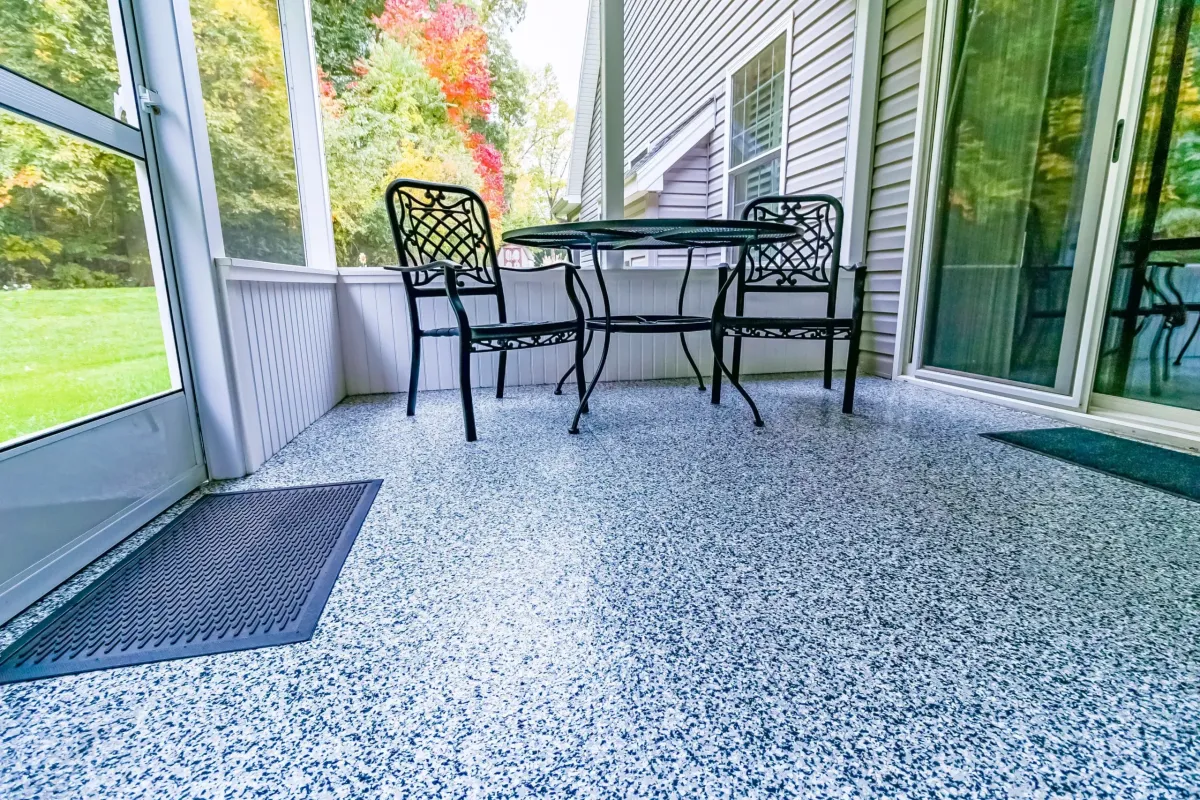
After we complete your estimate, You are now ready to choose your color and get started.
Here’s a quick look at how we bring your New Space to Life.
01 - PREP
We patch any dings, dents or cracking on the surface.
02 - COAT
We apply a primer. Some cases it requires oil base primer and finish with a latex or acrylic top coat from Sherwin Williams.
03 - TOUCH UP
We finish by touching up your project. Here you walkthrough and see your new paint at its' very Best!
READY FOR YOUR
DREAM COLOR!?
Call us today at 309.681.5500 to get started or book a free estimate online.
Central Illinois
EXPERT
Coatings Contractor












CONTACT
PDPAE
Peoria Drywall
Paint and Epoxy
8101N. University St.
Peoria, Illinois 61615
(309) 681-5500
FOLLOW US